
Co-Design Workshop Kicks Off a Movement Linking Agriculture and Renewable Energy
The Centre for Research in Energy and Energy Conservation (CREEC), together with partners with support from SNV and the IKEA Foundation, has officially kicked off activities under the Power for Food Partnership. This is part of a regional initiative running until 2029 across East Africa. This ambitious program is designed to build resilient food systems powered by renewable energy and regenerative agriculture (RA-PURE).
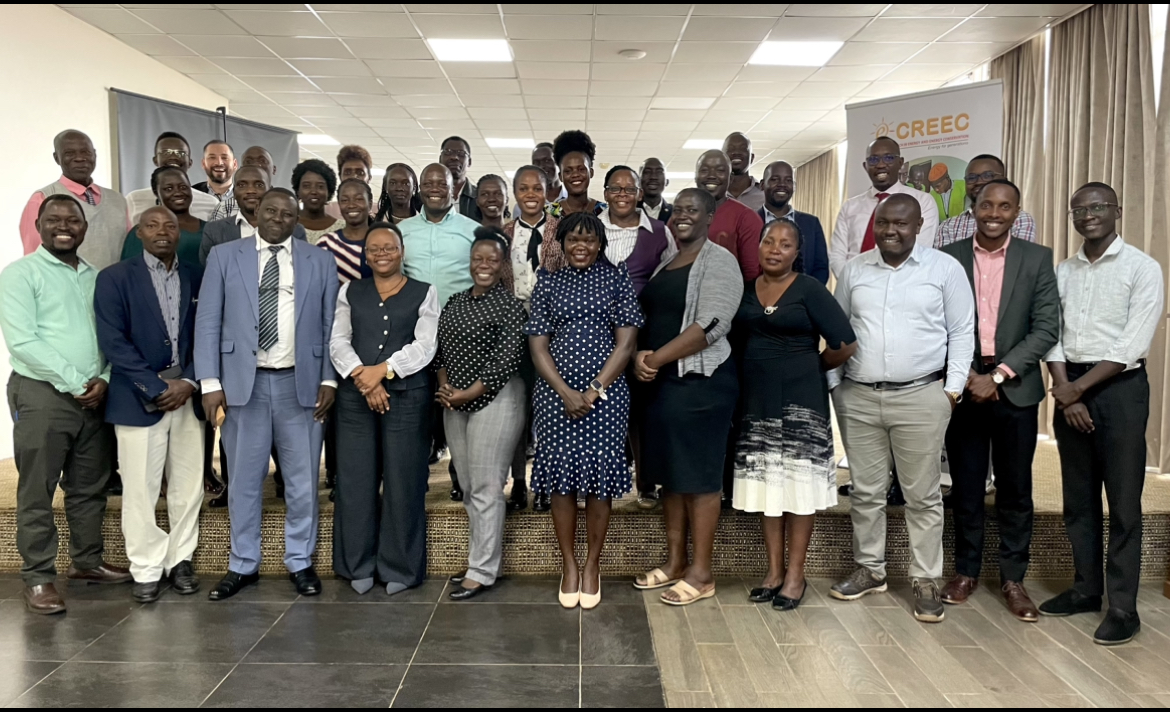
To kick-start these activities, CREEC convened a Co-Design Workshop that brought together government partners, development partners, financiers, private sector and sector associations both in the energy and agriculture sectors.
Eng. David Birimumaso from the Ministry of Energy and Mineral Development underscored the critical of data in informing accurate decision making. Stakeholders echoed this call, emphasizing the need for adaptable, locally relevant tools, stronger farmer databases, and better access to finance for cooperatives and agribusinesses.
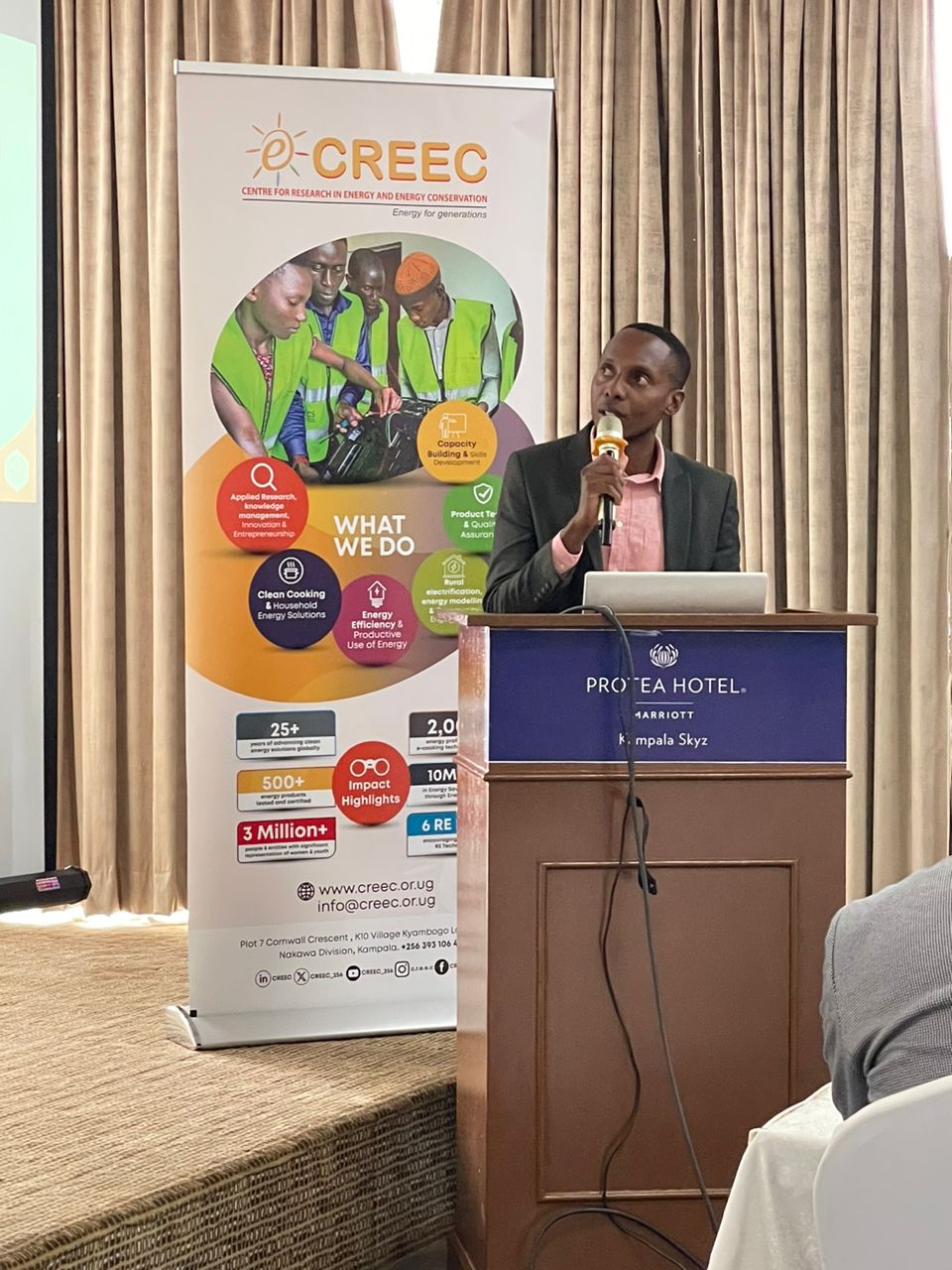
CREEC presented its vision that will contribute to the attainment of the programs’s objectives through the program’s overall pathways of Learn, Link, and Leverage:
- Learn – building evidence through data and practice-based learning.
- Link – connecting stakeholders across value chains including legumes, cereals, horticulture, and dairy.
- Leverage – mobilizing partnerships and resources to scale impactful solutions.
Stakeholder insights highlighted the urgency of adopting standardized PURE solutions that could among others, reduce post harvest losses but also ensure farmers’ produce meets the quality standards required by bigger markets. The importance of capacity building and designing suitable business models for adopting PURE solutions was also emphasized.
The co-design session reaffirmed that transforming Uganda’s agri-food systems requires strengthened and harmonious collaboration across the board. The Power For Food program aims to strengthen the already acknowledged nexus thinking that energy can do more than just lighting homes but increase food security, improve farmer livelihoods and contribute to Uganda’s climate adaptation plans.
The session was closed off with remarks from the Commissioner for Processing and Marketing, Ministry of Trade industry and Cooperatives who emphasized the need for Uganda’s produce to tap into and exploit regional and international markets, and invited stakeholders to support the smallholder farmer to realize this potential which in turn will be reflected in their pockets. Special appreciation to all the stakeholders who made this event a success.