
The Centre for Research in Energy and Energy Conservation (CREEC) recently conducted a nationwide Discrete Choice Modelling (DCM) survey aimed at understanding how Ugandans make decisions when choosing clean cooking technologies and fuels.
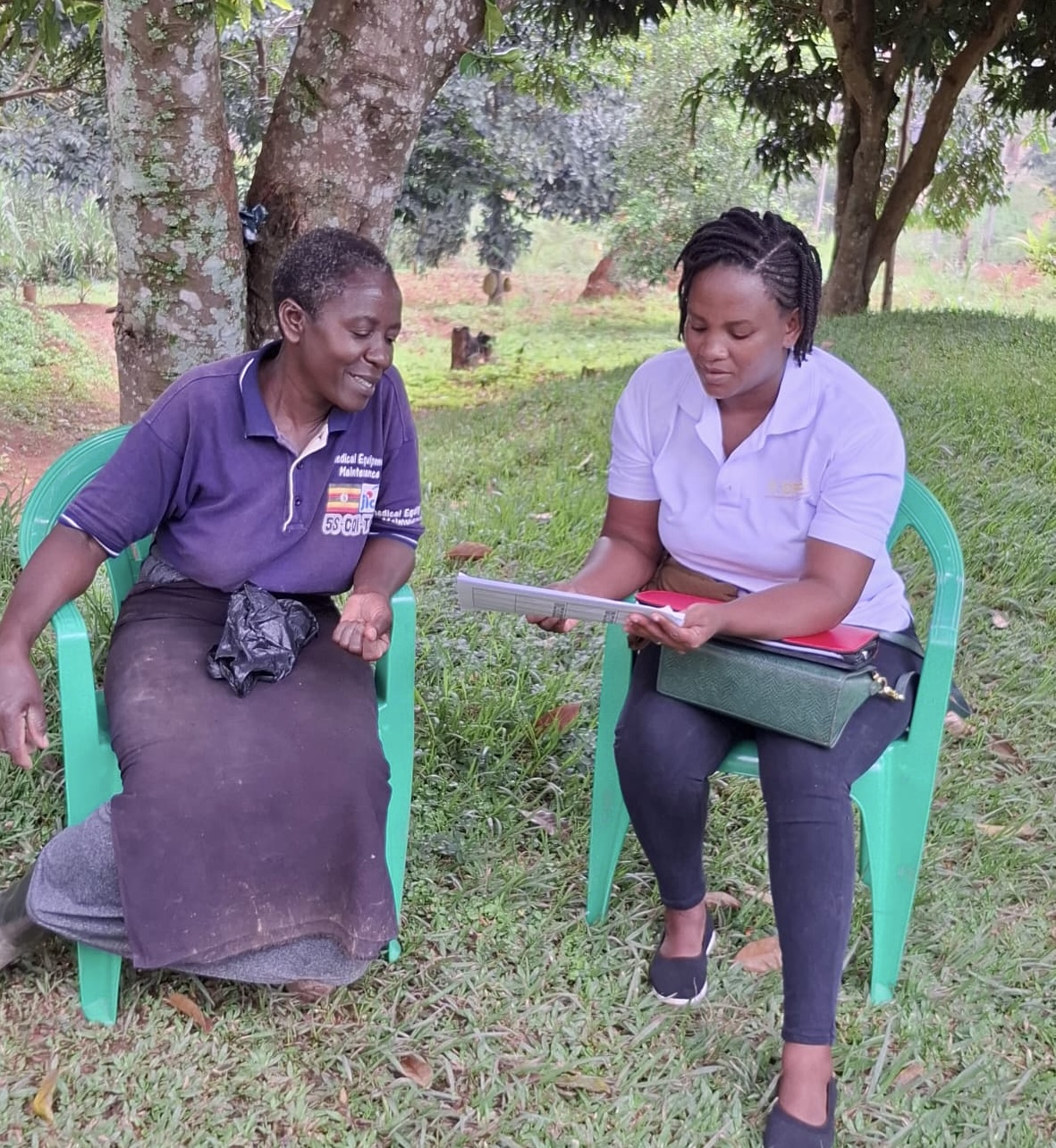
This study, implemented under the Modern Energy Cooking Services (MECS) project, seeks to uncover the key factors that influence adoption — from cost, convenience, and availability, to cultural habits and perceived safety.
🔍 Why Discrete Choice Modelling Matters
Discrete Choice Modelling is a research approach that helps reveal why people choose one option over another. By presenting respondents with hypothetical scenarios — such as choosing between different cookstove types or energy sources — researchers can quantify the value households place on various product features and barriers.
In Uganda, this data is especially crucial for shaping policies, designing user-centered technologies, and guiding private sector investment in clean cooking.
🌱 Connecting Data to Real Lives
CREEC’s field teams engaged households, traders, and local stakeholders across multiple districts, collecting valuable data on cooking preferences, fuel usage, and technology awareness.
The survey also explored willingness to pay, gender dynamics, and access barriers, offering a comprehensive view of how modern cooking solutions can be scaled equitably.
“Understanding user preferences is the first step to designing solutions that truly work for people,” noted a member of CREEC’s research team. “With this data, we can help manufacturers, policymakers, and development partners design interventions that respond to real community needs.”
Powering Uganda’s Clean Cooking Transition
The findings from this survey will feed into ongoing efforts to develop evidence-based policies and business modelsthat accelerate clean cooking adoption in Uganda.
By aligning innovation with consumer realities, CREEC and its partners continue to drive a transition that is both sustainable and inclusive.
As data collection wraps up, analysis is already underway — paving the way for insights that will inform the next phase of Uganda’s clean energy transformation.
About the Project
The DCM field survey is part of CREEC’s broader collaboration under the MECS program, funded by international partners committed to advancing modern, efficient, and sustainable cooking solutions across Africa.
Through applied research and field engagement, CREEC continues to bridge the gap between technology and people, ensuring that innovation translates into impact.