
Across Uganda, agriculture remains the heartbeat of rural livelihoods and today, it’s also becoming a driving force for energy transformation.
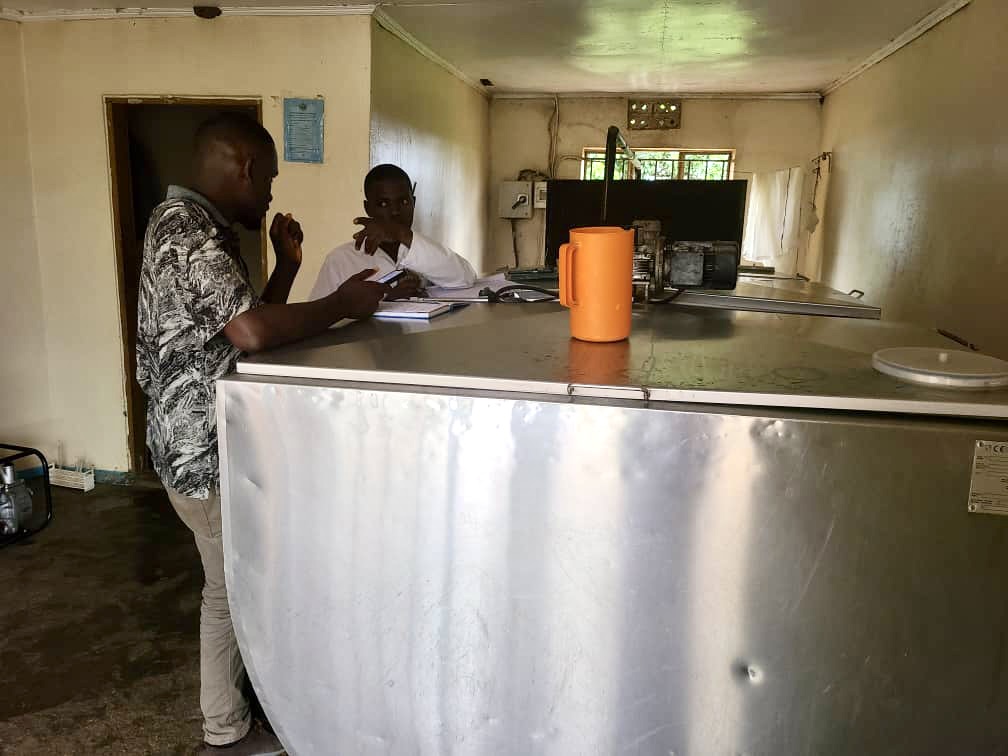
As part of the Power for Food Initiative, the Centre for Research in Energy and Energy Conservation (CREEC) is conducting a nationwide survey to explore how farmer cooperatives are integrating renewable energy technologies and regenerative agricultural practices into their operations.
The survey targets cooperatives involved in irrigation, crop value addition (in legumes, cereals, and horticulture), and dairy production sectors where energy access plays a crucial role in productivity and efficiency.
At the same time, CREEC is documenting how farmers are adopting regenerative practices such as:
- 🌱 Intercropping and crop rotation to enhance soil fertility,
- 💧 Constructing bunds to reduce erosion and conserve water,
- 🔥 Turning animal waste into biogas to reduce dependence on firewood and improve waste management.
These findings will inform the development of a pipeline of investable cooperatives under the RA-PURE (Regenerative Agriculture and Productive Use of Renewable Energy) nexus. The goal is to identify community-led initiatives where renewable energy can unlock growth, resilience, and sustainability.
“We’re seeing farmers not only adapt to renewable energy solutions but also connect them to practices that restore the land and enhance productivity,” shared a member of the CREEC field team. “That synergy between energy and agriculture is where true transformation happens.”
Through the Power for Food Initiative, implemented by SNV and partners, CREEC is bridging research, innovation, and community empowerment to drive a cleaner, more resilient future for Uganda’s food systems.
Together, we are building an ecosystem where energy powers agriculture and agriculture sustains the planet.