
For many farmers in Uganda, the journey does not end at harvest. In fact, one of the biggest challenges begins after produce leaves the field. Every year, significant quantities of fruits, vegetables, dairy products, fish, and other perishable commodities are lost due to inadequate storage and poor handling practices. These post-harvest losses reduce farmers’ incomes, limit market opportunities, and undermine food security.
Cold storage solutions offer a practical way to address this challenge.
Why Cold Storage Matters
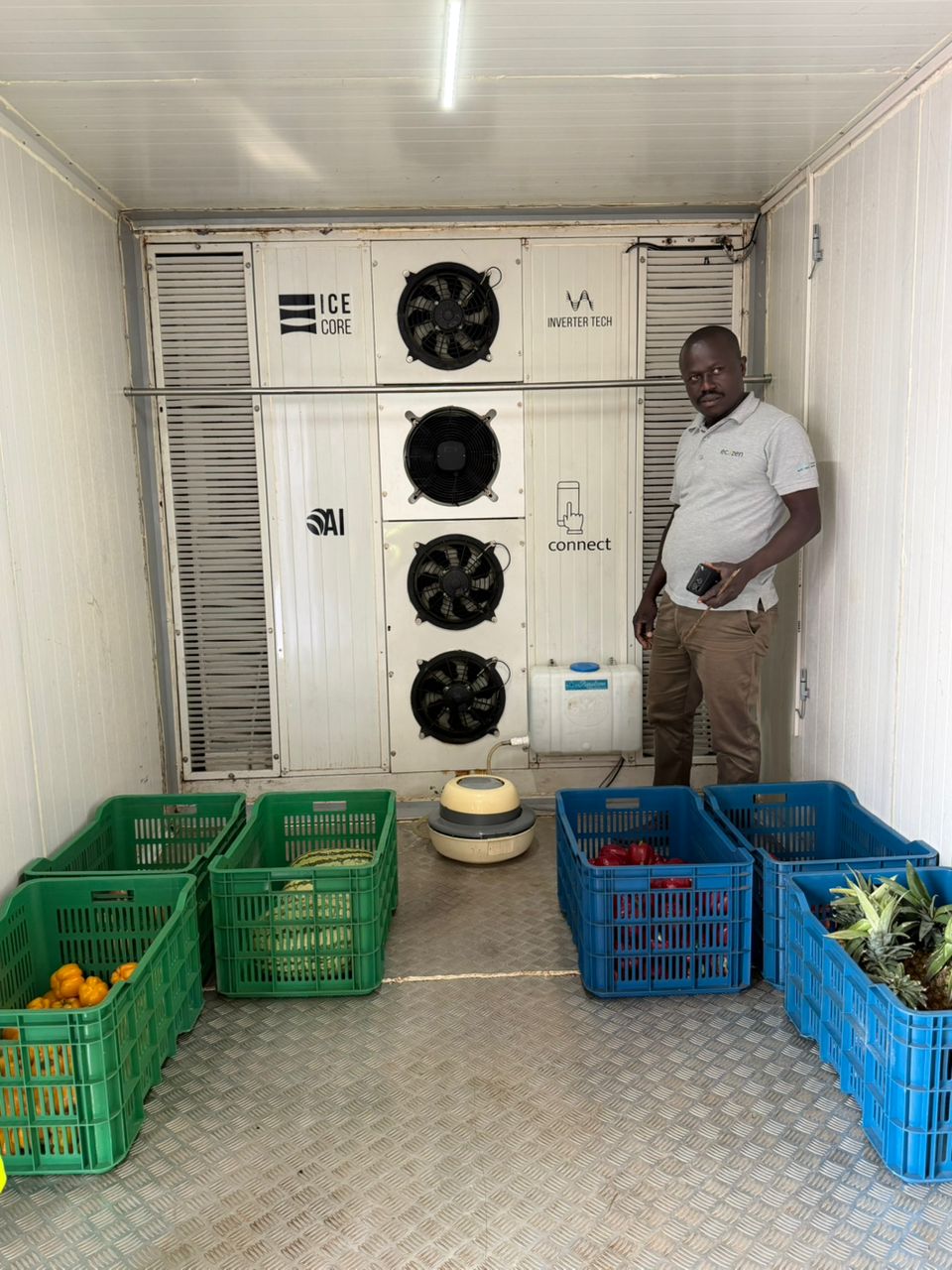
Cold storage units help maintain the quality and freshness of perishable agricultural products by keeping them at controlled temperatures after harvest. This simple intervention can have a transformative impact on farmers and agribusinesses.
Cold storage can help farmers:
Reduce Post-Harvest Losses
Many farmers are forced to sell their produce immediately after harvest because they lack proper storage facilities. This often leads to spoilage, especially during periods of oversupply. Cold storage extends the shelf life of produce, reducing losses and preserving quality.
Access Better Markets
With more time to store produce safely, farmers can wait for favorable market conditions instead of selling at low prices immediately after harvest. This creates opportunities to access higher-value markets and negotiate better prices.
Improve Produce Quality
Maintaining produce at the right temperature helps preserve freshness, appearance, and nutritional value. This improves customer satisfaction and increases the competitiveness of farmers’ products.
Increase Incomes
By reducing losses and improving market access, farmers can sell a larger proportion of their harvest and earn more from their produce.
Strengthen Food Security
When less food is lost after harvest, more food reaches consumers. This contributes to improved food availability and more resilient food systems.
Learning from Real-World Solutions
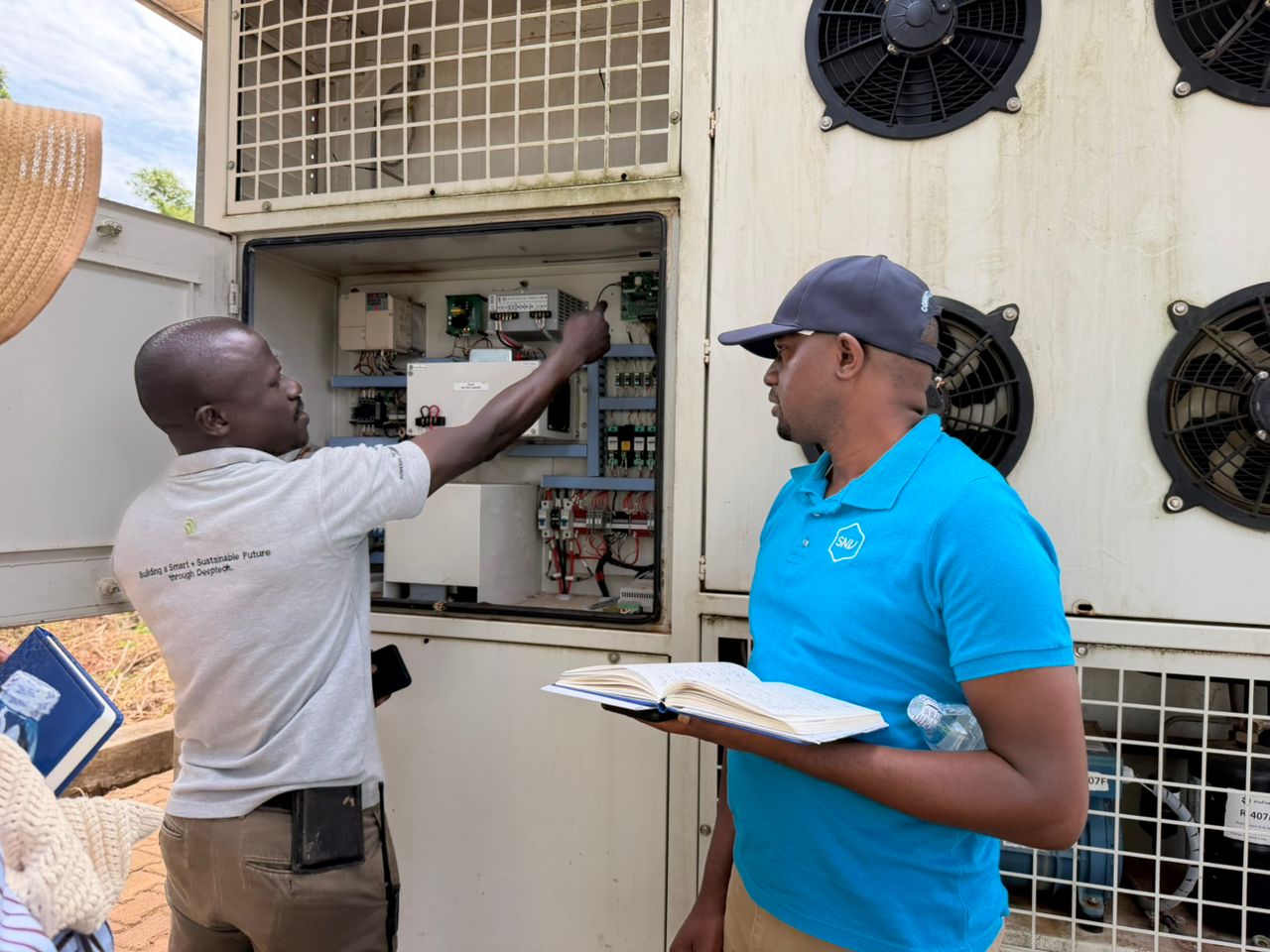
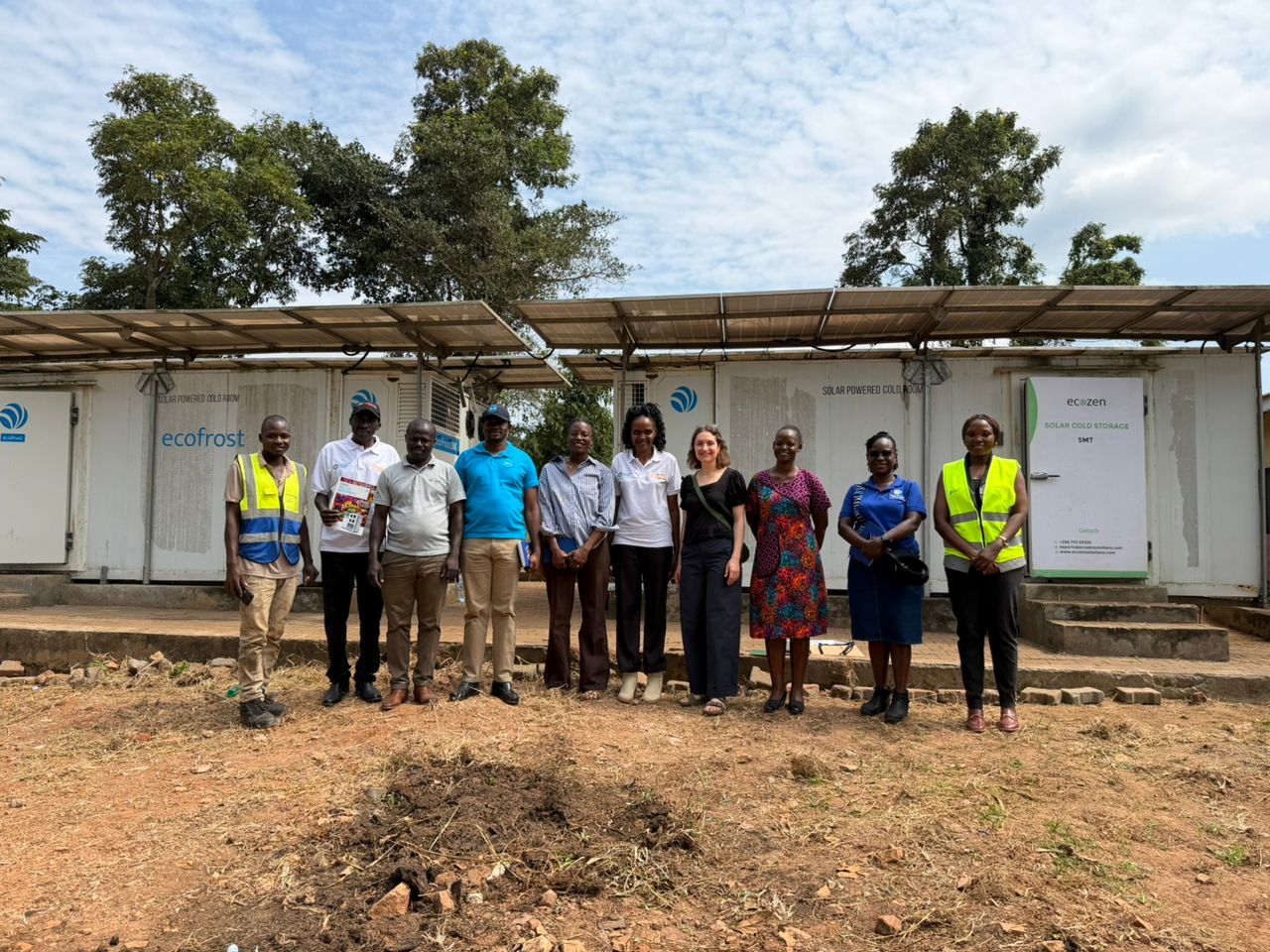
Recognizing the potential of cold storage technologies, the Centre for Research in Energy and Energy Conservation (CREEC), together with SNV, recently conducted a site visit to a solar-powered cold room developed by Ecozen at Bukalasa Agricultural College.
The visit forms part of an ongoing study being undertaken by CREEC under the Power for Food (P4F) Partnership to identify, learn from, and document viable business cases for cold storage solutions in Uganda.
The study seeks to answer an important question: How can cold storage technologies be deployed in ways that are technically viable, financially sustainable, and beneficial to farmers and agribusinesses?
By examining operational cold storage facilities such as the Ecozen installation, the team is gathering practical insights on technology performance, management models, operational requirements, and opportunities for scaling adoption across different agricultural value chains.
A Participatory Approach to Finding Solutions
A key feature of this work is CREEC’s participatory approach, which actively involves stakeholders throughout the learning process.
Rather than developing recommendations in isolation, the study engages technology providers, farmers, institutions, policymakers, development partners, and other value chain actors to jointly identify challenges, opportunities, and best practices.
This collaborative approach ensures that the recommendations generated are grounded in real-world experiences and respond to the actual needs of users and investors.
Supporting Farmers Through Learning and Exchange
The visit to Bukalasa Agricultural College is one of several learning visits planned across the country.
These sites will host learning and exchange visits involving smallholder farmers, agribusinesses, development partners, policymakers, and other stakeholders. Through peer-to-peer learning and direct exposure to functioning cold storage facilities, participants will gain practical knowledge about the technical, operational, and business aspects of cold storage systems.
The goal is not only to showcase successful technologies but also to create opportunities for stakeholders to understand what works, what challenges exist, and what conditions are needed to support sustainable adoption.
Building the Evidence for Scale
As Uganda seeks to strengthen agricultural productivity and reduce food losses, cold storage solutions have the potential to play a significant role in improving food systems and farmer livelihoods.
Through the Power for Food Partnership, CREEC is committed to generating evidence, facilitating stakeholder engagement, and supporting the development of practical recommendations that can accelerate the adoption of solar-powered cold storage solutions.
By learning directly from existing installations and bringing stakeholders together around shared challenges and opportunities, the initiative aims to contribute to a future where more farmers can preserve their harvests, access better markets, increase their incomes, and build more resilient agricultural enterprises.